


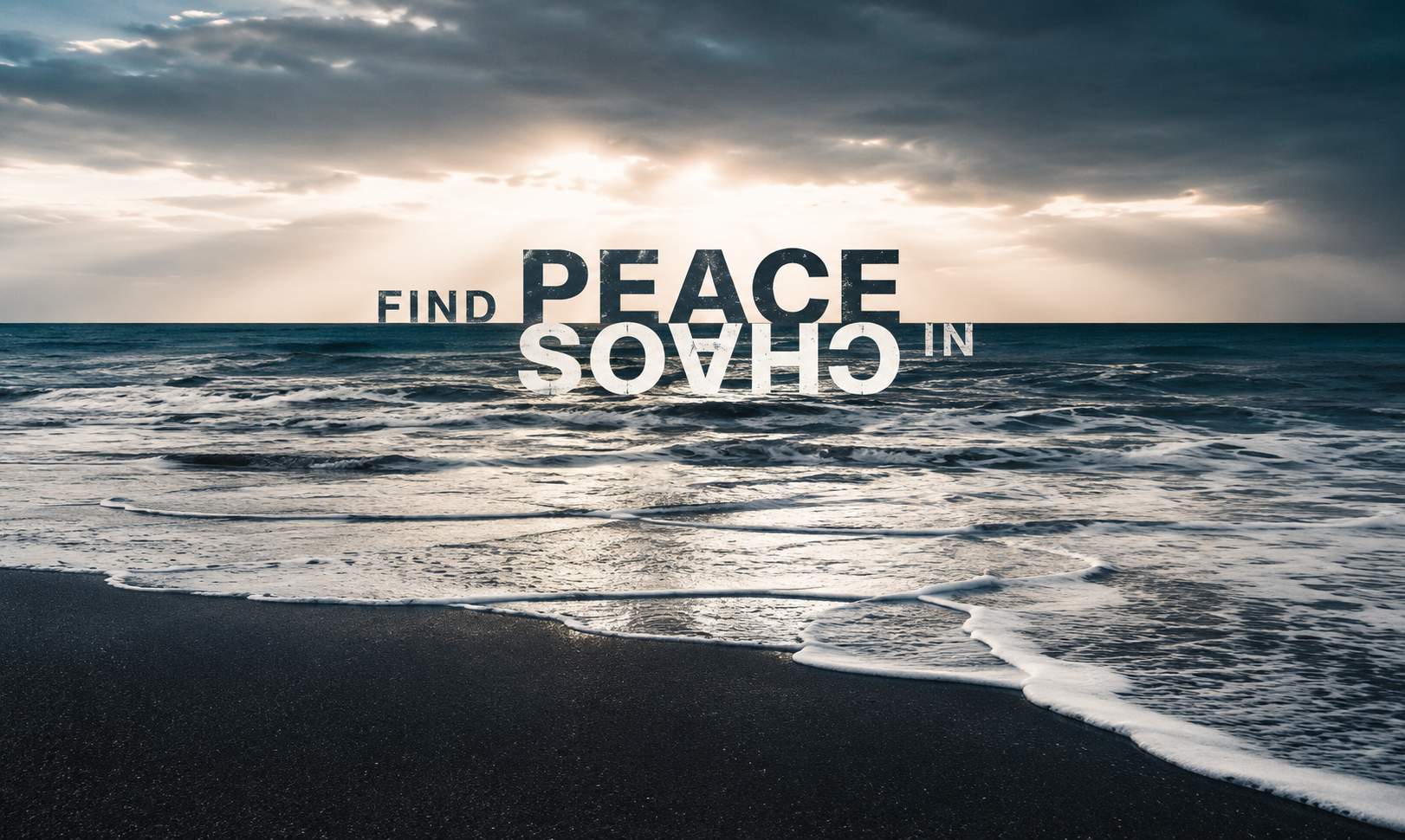
It’s been on my mind lately to not only prepare my heart and mind for Sunday morning worship but io carry that early morning tranquility into the preservice atmosphere of St. Barnabas. Every Sunday begins the same way for me: morning prayers with Naomi, followed by one of the quiet videos that helps us get settled into the day. The one example I will share with you today is just one way of practicing this use of time and space. My problem lately is getting to church and allowing all sorts of church business and problems to destroy the atmosphere. The distracted mind affects everything, worship, liturgy, sermon, Lords Table and Coffee hour. Our morning atmosphere sets the tone for the entire day. By intentionally bringing a peaceful temperament into our early hours, we create a sanctuary of restfulness, not just for ourselves, but for everyone we encounter. Reclaiming this quiet time beautifully prepares our hearts for worship. And sometimes we need to just drop in and see what condition our condition is in. Time to tune our hearts to be in tune with the Spirit. “God is Spirit and those who worship Him must worship in spirit and truth” (John 4:24). I will include one example of how I prepare my mind and spirit for Sunday morning worship. This is just one suggestion. You may have others to include. If so, please let me know. Try anchoring your morning with Gregorian chant. allow Illumination by Dan Gibson’s Solitudes blending historic Latin chants with calming sounds of God’s creation. While these chants carry rich scholastic history, my takeaway is pastoral, quieting my mind and turning my focus toward the divine. Here’s one option: This Sunday early morning light a candle, maybe a stick of incense, and let sacred sounds fill your home as you prepare for church. Arrive at St. Barnabas already tuned into God’s peace by opening the peaceful Gregorian Chants album on YouTube. Father Dave+
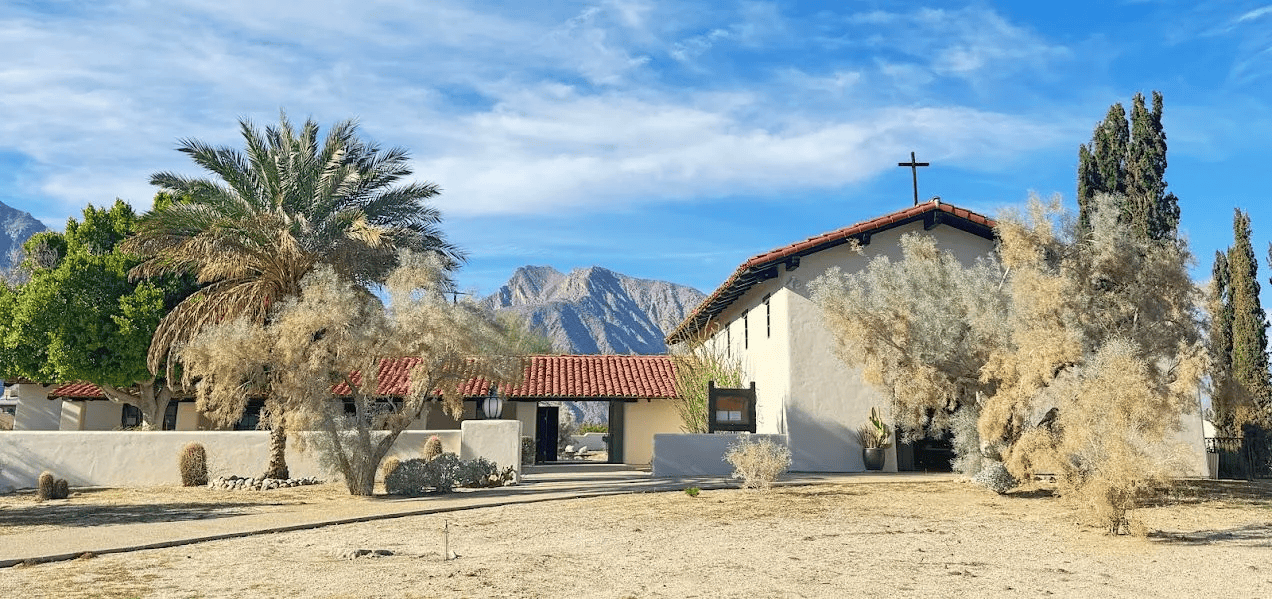
by Fr. Michael Plekon Finding Faith, Belonging and Purpose Beyond Sunday Services By: Fr Michael Plekon - St. Barnabas Episcopal Church , BMA Co-Chair I am not surprised that in 2026 there are those who ask such questions. My parents were in church with me and my brothers when we were growing up in the 1950s and after. (I am in my later 70s!) I have been involved in the institutional church since I was 13 and went to church prep school, looking toward being a priest. And now I have been a priest for almost 45 years, in several church bodies. Presently I am an assistant priest at St. Barnabas Episcopal Church here in Borrego Springs. When we are back East, I help out at St. James Church, an historic stone church in the old downtown of Danbury CT, once the hat making capital of the US. Years ago when I began ordained ministry alongside being a fulltime professor at The City University of New York, there were a lot of people in church on Sundays, families with kids, as well as older people. Nowadays, it’s mostly my peers, seniors, who I see on Sundays at the service, and also engaged in the community outreach work churches do, from food banks to soup kitchens, thrift shops, and support of safe housing for mothers and children. Many I encounter tell me they grew up in the church. And then grew out of it, for all kinds of reasons. Some found what they heard in sermons repulsive, a lot of negativity and condemnation and rules. In addition, they felt churches were constantly asking for your money, when not scaring you with threats of hell. And did any good come of all those contributions? Some of the most generous and engaged neighbors of mine here have said that they found little to attract them to church. Others simply were too busy, first when they worked and later when retired they were even busier with volunteering, hobbies, golf, travel and more. What’s fascinating is that for quite a few people in Borrego, the food banks, the Community Resource Center and its programs, volunteer work like tutoring and other great things they were doing had become “church” for them. I have published about this, Community as Church, Church as Community, Ministry Matters , and soon to be published Community and Communion. Those who know me even a little know I don’t chase people to church or judge them if they’re not interested. This is the case with the other fine pastors here such as Fr. David Madsen, Pastor Mateo Mamea and Fr. Emilio Mangana, all of whom work with me at the congregations on Church Lane and in the Borrego Ministers Association (BMA). Once, after listening to someone’s honest complaints about religious narrow mindedness and almost hateful intolerance, I replied that he would not find any of that on Church Lane. Rather, anyone will find welcome and acceptance and friendship there. Which brings me back to the question that’s the title here. Those who volunteer, for example, at the monthly St. Barnabas sponsored food bank or the BMA do not all attend services with St. Barnabas, Borrego United Methodist, St. Richard’s or the Lutheran churches or other ones. However, they do identify with the love for the neighbor that all of our food banks and the BMA monthly food coupons express. I can say that we have had people come and sing with our choir at St. Barnabas without joining the church. Same is true for those who come out to the choirs assembled for the BMA Thanksgiving and Easter Sunrise services and the Christmas Cantata when it’s performed. I know that people come to all of our Church Lane congregations because they find there real community and belonging, others who have compassion and are happy to share their resources for those who are in need. This especially happens through the BMA, but as well through the Community Resource Center, the Soroptimists, BASIC, Rotary, the BAI, Valley Endowment Fund and Art Guild, among our wonderful nonprofits. It’s true that when you meet someone who gives of themselves and their resources in any of these groups and the churches, you will see them again and again across the activities of these nonprofits. I hear someone reading this saying, “Ah, but don’t you have creeds and teachings, readings from the scripture and holy communion and other specifically religious activities in church?” Well of course the churches do. These are ancient ways of expressing faith, praying for those who are ill, in need, ways of celebrating births, marriages and deaths as well.” No one is interrogated however on their belief or on anything else in our communities of faith. Rather, everyone is a sister or brother to be loved and supported. Back during lockdown, zoom classes I offered were attended by people who otherwise had little if anything to do with church. What good are they, churches, what are they for? I believe if you’ve followed what I ‘ve said here, you could say they are for building up and sustaining community, for doing good, for the good of the entire town. And God, for whom these communities exist would agree. Authorial Interview: Fr. Michael Plekon Michael Plekon / Pastors, Their Life and Work Today Saints As They Really Are
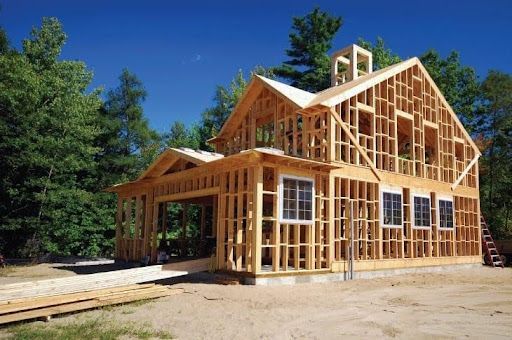
by David Madsen According to the grace of God given to me, like a skilled master builder I laid a foundation, and someone else is building on it. Each builder must choose with care how to build on it For no one can lay any foundation other than the one that has been laid; that foundation is Jesus Christ. Now if anyone builds on the foundation with gold, silver, precious stones, wood, hay, straw— the work of each builder will become visible, for the Day will disclose it, because it will be revealed with fire, and the fire will test what sort of work each has done. If what has been built on the foundation survives, the builder will receive a reward. Paul says that we build on a foundation laid by grace, and we should choose with care how we add our part. That truth feels close to home for many of us. Many of you have retired from one career or moved through several, becoming skilled builders in your own fields, leaving your work in better hands than when you found it, or at least hoping to. Before I was ordained, I spent my days in sales and marketing, always building, always shaping something that could be handed on. When I left that work to go to General Seminary, I passed along what I had built to the company I worked for. They kept some of it, changed some of it, and went their own way with some of it. I imagine many of you know that feeling when you try to pass along your best efforts, and the next person takes it in a direction you didn’t expect. Or particularly like. When I became a priest, I took Paul’s words seriously. Every ministry in this parish, vestry, altar guild, buildings and grounds, ushers, every quiet act of service is part of the same foundation. Sometimes we start something new. Sometimes we step into the work someone else began. Either way, we should build with care because this is God’s house, not ours. St. Barnabas has more than fifty years of faithful hands shaping its life. We are building on the ministries of those who came before us, and others will one day build on ours. So let’s keep tending our work with gratitude and responsibility, trusting that whatever is built on Christ’s foundation, whether straw or gold, simple or shining, will endure when it is done in love. Father Dave+
It’s been on my mind lately to not only prepare my heart and mind for Sunday morning worship but io carry that early morning tranquility into the preservice atmosphere of St. Barnabas. Every Sunday begins the same way for me: morning prayers with Naomi, followed by one of the quiet videos that helps us get settled into the day. The one example I will share with you today is just one way of practicing this use of time and space. My problem lately is getting to church and allowing all sorts of church business and problems to destroy the atmosphere. The distracted mind affects everything, worship, liturgy, sermon, Lords Table and Coffee hour. Our morning atmosphere sets the tone for the entire day. By intentionally bringing a peaceful temperament into our early hours, we create a sanctuary of restfulness, not just for ourselves, but for everyone we encounter. Reclaiming this quiet time beautifully prepares our hearts for worship. And sometimes we need to just drop in and see what condition our condition is in. Time to tune our hearts to be in tune with the Spirit. “God is Spirit and those who worship Him must worship in spirit and truth” (John 4:24). I will include one example of how I prepare my mind and spirit for Sunday morning worship. This is just one suggestion. You may have others to include. If so, please let me know. Try anchoring your morning with Gregorian chant. allow Illumination by Dan Gibson’s Solitudes blending historic Latin chants with calming sounds of God’s creation. While these chants carry rich scholastic history, my takeaway is pastoral, quieting my mind and turning my focus toward the divine. Here’s one option: This Sunday early morning light a candle, maybe a stick of incense, and let sacred sounds fill your home as you prepare for church. Arrive at St. Barnabas already tuned into God’s peace by opening the peaceful Gregorian Chants album on YouTube. Father Dave+
by Fr. Michael Plekon Finding Faith, Belonging and Purpose Beyond Sunday Services By: Fr Michael Plekon - St. Barnabas Episcopal Church , BMA Co-Chair I am not surprised that in 2026 there are those who ask such questions. My parents were in church with me and my brothers when we were growing up in the 1950s and after. (I am in my later 70s!) I have been involved in the institutional church since I was 13 and went to church prep school, looking toward being a priest. And now I have been a priest for almost 45 years, in several church bodies. Presently I am an assistant priest at St. Barnabas Episcopal Church here in Borrego Springs. When we are back East, I help out at St. James Church, an historic stone church in the old downtown of Danbury CT, once the hat making capital of the US. Years ago when I began ordained ministry alongside being a fulltime professor at The City University of New York, there were a lot of people in church on Sundays, families with kids, as well as older people. Nowadays, it’s mostly my peers, seniors, who I see on Sundays at the service, and also engaged in the community outreach work churches do, from food banks to soup kitchens, thrift shops, and support of safe housing for mothers and children. Many I encounter tell me they grew up in the church. And then grew out of it, for all kinds of reasons. Some found what they heard in sermons repulsive, a lot of negativity and condemnation and rules. In addition, they felt churches were constantly asking for your money, when not scaring you with threats of hell. And did any good come of all those contributions? Some of the most generous and engaged neighbors of mine here have said that they found little to attract them to church. Others simply were too busy, first when they worked and later when retired they were even busier with volunteering, hobbies, golf, travel and more. What’s fascinating is that for quite a few people in Borrego, the food banks, the Community Resource Center and its programs, volunteer work like tutoring and other great things they were doing had become “church” for them. I have published about this, Community as Church, Church as Community, Ministry Matters , and soon to be published Community and Communion. Those who know me even a little know I don’t chase people to church or judge them if they’re not interested. This is the case with the other fine pastors here such as Fr. David Madsen, Pastor Mateo Mamea and Fr. Emilio Mangana, all of whom work with me at the congregations on Church Lane and in the Borrego Ministers Association (BMA). Once, after listening to someone’s honest complaints about religious narrow mindedness and almost hateful intolerance, I replied that he would not find any of that on Church Lane. Rather, anyone will find welcome and acceptance and friendship there. Which brings me back to the question that’s the title here. Those who volunteer, for example, at the monthly St. Barnabas sponsored food bank or the BMA do not all attend services with St. Barnabas, Borrego United Methodist, St. Richard’s or the Lutheran churches or other ones. However, they do identify with the love for the neighbor that all of our food banks and the BMA monthly food coupons express. I can say that we have had people come and sing with our choir at St. Barnabas without joining the church. Same is true for those who come out to the choirs assembled for the BMA Thanksgiving and Easter Sunrise services and the Christmas Cantata when it’s performed. I know that people come to all of our Church Lane congregations because they find there real community and belonging, others who have compassion and are happy to share their resources for those who are in need. This especially happens through the BMA, but as well through the Community Resource Center, the Soroptimists, BASIC, Rotary, the BAI, Valley Endowment Fund and Art Guild, among our wonderful nonprofits. It’s true that when you meet someone who gives of themselves and their resources in any of these groups and the churches, you will see them again and again across the activities of these nonprofits. I hear someone reading this saying, “Ah, but don’t you have creeds and teachings, readings from the scripture and holy communion and other specifically religious activities in church?” Well of course the churches do. These are ancient ways of expressing faith, praying for those who are ill, in need, ways of celebrating births, marriages and deaths as well.” No one is interrogated however on their belief or on anything else in our communities of faith. Rather, everyone is a sister or brother to be loved and supported. Back during lockdown, zoom classes I offered were attended by people who otherwise had little if anything to do with church. What good are they, churches, what are they for? I believe if you’ve followed what I ‘ve said here, you could say they are for building up and sustaining community, for doing good, for the good of the entire town. And God, for whom these communities exist would agree. Authorial Interview: Fr. Michael Plekon Michael Plekon / Pastors, Their Life and Work Today Saints As They Really Are
by David Madsen According to the grace of God given to me, like a skilled master builder I laid a foundation, and someone else is building on it. Each builder must choose with care how to build on it For no one can lay any foundation other than the one that has been laid; that foundation is Jesus Christ. Now if anyone builds on the foundation with gold, silver, precious stones, wood, hay, straw— the work of each builder will become visible, for the Day will disclose it, because it will be revealed with fire, and the fire will test what sort of work each has done. If what has been built on the foundation survives, the builder will receive a reward. Paul says that we build on a foundation laid by grace, and we should choose with care how we add our part. That truth feels close to home for many of us. Many of you have retired from one career or moved through several, becoming skilled builders in your own fields, leaving your work in better hands than when you found it, or at least hoping to. Before I was ordained, I spent my days in sales and marketing, always building, always shaping something that could be handed on. When I left that work to go to General Seminary, I passed along what I had built to the company I worked for. They kept some of it, changed some of it, and went their own way with some of it. I imagine many of you know that feeling when you try to pass along your best efforts, and the next person takes it in a direction you didn’t expect. Or particularly like. When I became a priest, I took Paul’s words seriously. Every ministry in this parish, vestry, altar guild, buildings and grounds, ushers, every quiet act of service is part of the same foundation. Sometimes we start something new. Sometimes we step into the work someone else began. Either way, we should build with care because this is God’s house, not ours. St. Barnabas has more than fifty years of faithful hands shaping its life. We are building on the ministries of those who came before us, and others will one day build on ours. So let’s keep tending our work with gratitude and responsibility, trusting that whatever is built on Christ’s foundation, whether straw or gold, simple or shining, will endure when it is done in love. Father Dave+